Become an Installer


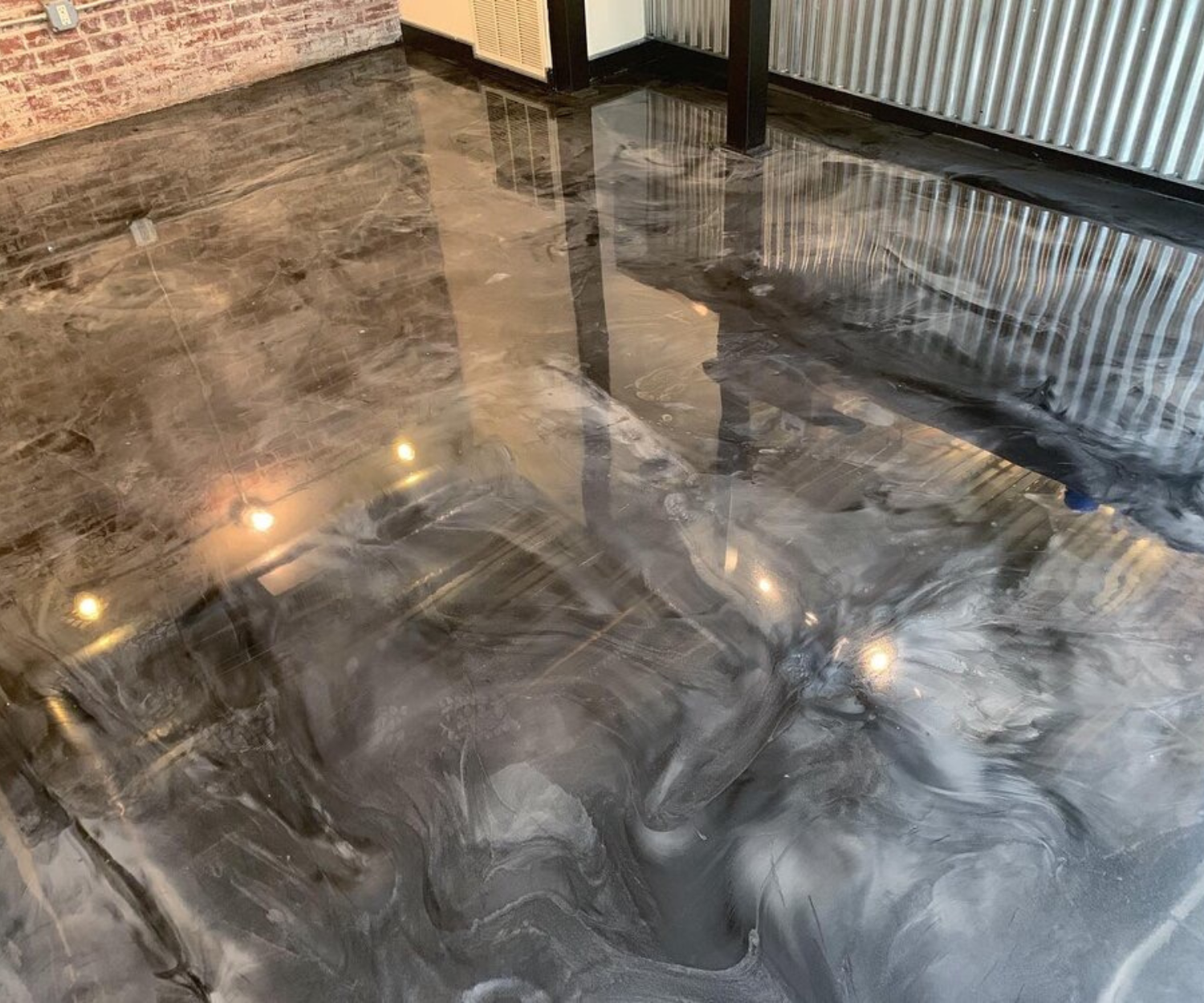
Contractors across the country are discovering a smarter alternative to basic flooring systems. Polyaspartic and hybrid systems are reshaping the industry. These advanced coatings cut installation schedules by one to two full days compared to traditional epoxy, which means crews finish projects faster and clients get back to business sooner.
This article walks through exactly why leading professionals are making the switch to polyaspartic flooring. You’ll see how these systems deliver tougher performance, adapt to more applications, and boost the bottom line with speed and versatility that epoxy simply can’t match.
Faster Curing Times for Increased Efficiency
Speed matters when schedules are tight. Polyaspartic flooring systems cure in just one to two hours for foot traffic, while epoxy demands 24 to 72 hours before crews can return to the site. That difference transforms project timelines.
A standard two-car garage or warehouse floor that once took three to five days with epoxy now wraps up in a single day with polyaspartic systems. Contractors report this rapid turnaround lets them schedule more jobs each month without expanding their teams.
Superior Durability and Performance
Tough environments demand coatings that last. Polyaspartic systems deliver exceptional hardness and abrasion resistance that outperforms traditional epoxy in high-traffic zones. These coatings resist scratching, chipping, and scuffing far better than epoxy, which tends to become brittle and prone to cracking over time.
The real advantage shows up when UV light enters the picture. Epoxy yellows and degrades under sunlight, limiting its use to indoor spaces. Polyaspartic coatings use aliphatic compounds that remain UV-stable, keeping floors clear and vibrant even in areas with direct sun exposure or under harsh lighting.
Contractors serving garages, showrooms, and outdoor patios report that polyaspartic floors maintain their high-gloss finish for 15 years or more, compared to the 5 to 7 years typical for epoxy. This longevity reduces the frequency of recoating, saving clients money over the floor’s lifetime.
Enhanced Versatility and Applications
Polyaspartic and hybrid systems work across a stunning range of environments. Commercial garages, industrial warehouses, hospital corridors, retail showrooms, and residential basements all benefit from these adaptable coatings.
Temperature flexibility is a major reason for this versatility. Polyaspartic coatings can be applied in temperatures ranging from below freezing to above 100°F, while epoxy requires a narrow window between 50°F and 85°F for proper curing. That means contractors in cold-weather states or hot climates can work year-round without delays.
Hybrid systems offer another advantage for budget-conscious projects. These formulations blend polyaspartic with epoxy or polyurethane bases, delivering faster curing and better UV resistance than pure epoxy while reducing material costs compared to pure polyaspartic systems. They create a practical middle ground for contractors serving cost-sensitive residential and light commercial markets.
Market Trends and Client Demand
The numbers back up what contractors see on the ground. Client demand for polyaspartic and hybrid systems is surging across construction, industrial, and transportation sectors. The global polyaspartic coatings market stood at $381.28 million in 2025 and is expected to reach $500.68 million by 2030, according to Mordor Intelligence.
Clients push for both speed and quality. Businesses that cannot afford downtime, like pharmacies, hospitals, and occupied office buildings, favor polyaspartic’s rapid curing and minimal odor. One contractor noted that his team installed a polyaspartic floor in a hospital corridor during a weekend, with the space ready for patient traffic by Monday morning.
Market experts identify a clear shift. New garage floors, industrial warehouses, and commercial spaces increasingly choose polyaspartic systems as the standard for durability and efficiency. With demand rising every year and contractors reporting proven results, this technology is becoming the go-to choice for projects that demand both speed and lasting performance.
Conclusion
Polyaspartic and hybrid flooring systems are no longer a niche upgrade. They represent a fundamental shift in how contractors approach efficiency, durability, and client expectations. Faster cure times unlock tighter schedules and higher job volume, while superior UV stability and long-term performance deliver floors that look better and last longer than traditional epoxy. Add in year-round application and broad versatility, and it’s clear why professionals across residential, commercial, and industrial markets are moving in this direction.
For contractors looking to stay competitive, the difference often comes down to the materials they choose. Manufacturers like Optus Resin have helped push polyaspartic and hybrid systems forward by engineering coatings that balance speed, strength, and workability in real-world conditions.