Become an Installer
Have you ever watched a coating fail just months after installation, wondering where you went wrong? Poor planning and rushed decisions lead to coating failures that cost contractors thousands in repairs and lost credibility. Let’s look at the most common mistakes contractors make when investing in a new coating system, as well as how to avoid them.
Inadequate Surface Preparation
You can have the best coating on the market. But if your surface isn’t ready, none of it matters.
Dirt, old paint, rust, and oil create a barrier that prevents new coatings from bonding. Even tiny mistakes in primer application allow water or air to sneak under the coating, and that leads to bubbles, peeling, or rust down the road.
The good news is that this is one of the easiest mistakes to fix.
Follow these essential prep steps:
- Clean the surface thoroughly to remove all contaminants
- Sand down rough areas to create a smooth base
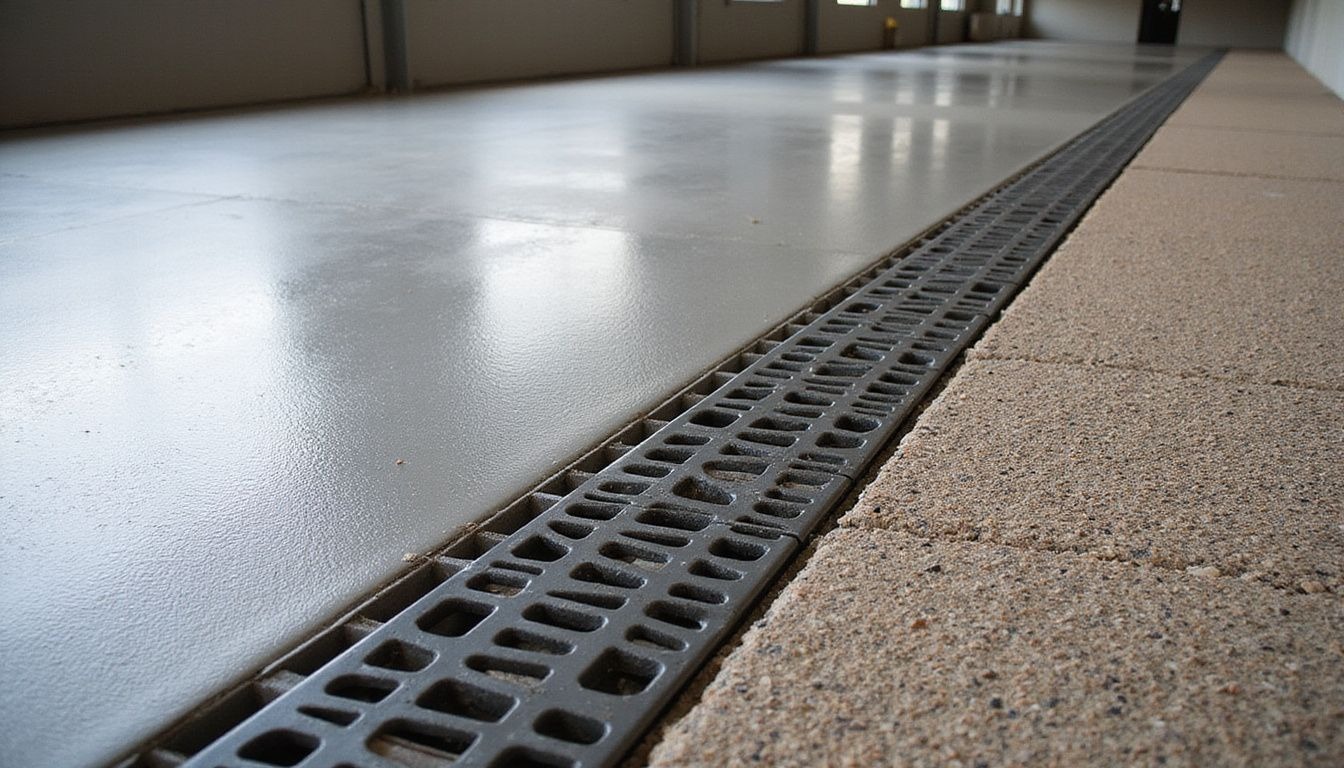
- Address drainage issues that could trap moisture
- Use quality equipment designed for surface prep
When you invest time in proper surface preparation, you’re setting yourself up for strong bonding, better performance, and a longer coating lifespan on every single project.
Ignoring Environmental Conditions
Temperature and humidity might seem like minor details. They’re not.
After you’ve nailed surface preparation, the next big mistake contractors make is overlooking the environment. Temperature fluctuations, high humidity, and moisture contamination all play a key role during coating application. Even slight dampness can cause blistering or peeling later.
Wind speed and dust in the surrounding area can also wreck your work. A sudden rainstorm or unexpected humidity spike ruins fresh primer application every time. If you’re working in less-than-ideal conditions, your equipment quality can also suffer when used outside recommended temperature ranges.
To protect your coating lifespan and avoid drainage issues later, you need to track these factors at each step:
- Monitor ambient and surface temperatures throughout the day
- Check humidity levels before you start
- Measure the dew point with proper tools
- Plan your work around weather forecasts
Paying close attention to environmental conditions during project management and performance evaluation will save you from costly callbacks and premature coating failure.
Treating All Coatings the Same

Here’s a mistake that catches even experienced contractors off guard: assuming all coatings work the same way. They don’t.
Each coating system needs its own specific approach to surface preparation, primer application, and the curing process.
Moisture control plays a key role in some applications but not all. Product durability also differs based on material compatibility and temperature effects during coating application.
A one-size-fits-all approach ignores these critical differences and sets you up for failure.
Rushing the Application Process
Skipping steps to save time is one of the fastest ways to lose money.
When you rush coating applications, problems stack up quickly. Here are the most common mistakes when contractors rush:
- Applying the next coat before the previous one has fully cured
- Skipping proper drying times between layers
- Ignoring manufacturer-specified wait times
- Using poor quality equipment to speed up the process
When you factor in the cost of stripping and reapplying a failed system, you end up spending far more than if you’d simply followed the recommended timeline from the start. Patience during application isn’t optional. It’s what separates a coating that lasts from one that forces you back to the job site for costly repairs much sooner than expected.
Choosing Incompatible Systems
You can do everything else right and still end up with a failed coating if your materials don’t work together. Many contractors fail to check material compatibility before starting the coating application.
Incompatible primers and topcoats can require maintenance or reapplication much earlier than specified. In the worst case, the primer or topcoat may have an unintended negative effect on the entire system’s protective properties.
Common Compatibility Problems
Here’s what happens when systems don’t match:
- Primers that lift or dissolve when the topcoat is applied
- Topcoats that don’t properly bond to fully cured primers
- Chemical reactions between incompatible coating types
- Early breakdown of the entire coating system
A strong maintenance schedule cannot save an incompatible setup from early failure and wasted investment.
Conclusion
Investing in a new coating system can either strengthen your reputation or quietly erode it. Most coating failures because critical steps were rushed, skipped, or misunderstood.
Proper surface preparation, close attention to environmental conditions, respecting cure times, and verifying system compatibility are non-negotiable if you want long-lasting results. Every coating has its own requirements, and treating them all the same is a shortcut to callbacks, repairs, and lost trust.
The contractors who consistently deliver durable, high-performance coatings are the ones who slow down where it matters, follow manufacturer guidelines, and choose systems designed to work together. When you pair disciplined installation practices with quality materials and reliable technical support, you dramatically reduce risk and protect your margins.