Become an Installer
Are you feeling stuck in a rut with your epoxy floor coatings? You’re not alone. More and more contractors and business owners are actively looking for better options. This article is going to walk you through proven coating systems that are grabbing attention right now. Let’s find the perfect fit for your business.
Why Diversify Beyond Epoxy in 2026
Epoxy has been the go-to choice for years. That’s true.
But here’s what’s happening. Your customers are now asking for coatings that can handle UV exposure without yellowing, that cure faster to reduce downtime, and that meet stricter environmental regulations. Epoxy struggles in all three of those areas.
Expanding your product line isn’t just about staying current. It’s about giving your clients real solutions for problems epoxy can’t solve. These alternatives are filling gaps that matter.
A wider product line helps you stay ahead as flooring solutions shift rapidly.
Top Coating Systems to Consider
The coatings industry is moving fast. Every year brings fresh options, and 2026 will be no different. You’ll see a clear pattern.
Polyaspartic Coatings
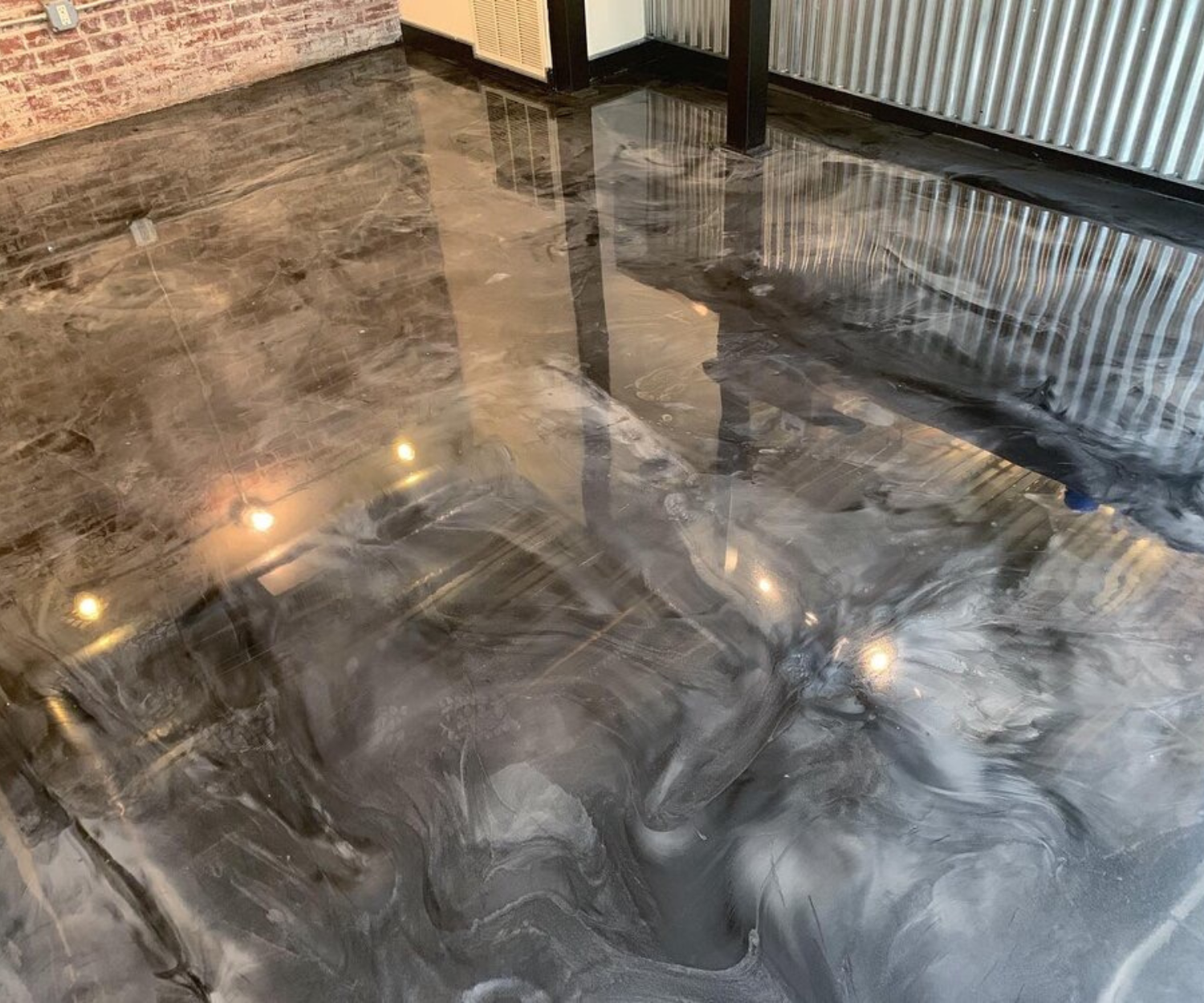
Polyaspartic coatings are changing the game for fast-paced projects.
These coatings cure in as little as two hours. That means you can finish a garage floor in a single day, which is a huge advantage when your client needs their space back immediately.
What really sets polyaspartics apart is their performance in extreme conditions. They work well in both hot and cold weather, unlike epoxy, which can be finicky. Their UV stability is excellent, so floors keep their color even under direct sunlight.
You’ll find these systems especially useful for:
- Commercial garages where downtime costs money
- Warehouses that need chemical resistance
- Retail spaces that want a high-gloss, modern look
- Public buildings with strict VOC requirements
Resin Bound Paving Systems
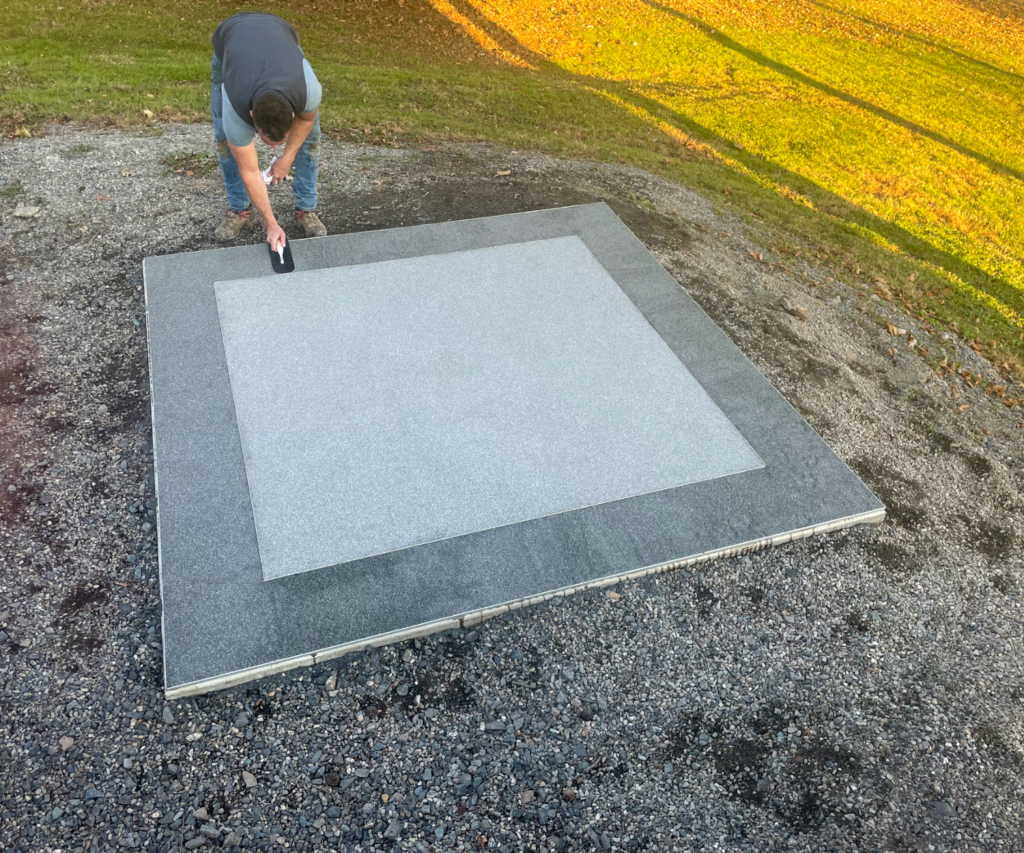
Resin bound paving is different from both polyaspartic and powder coatings. It’s designed for exterior surfaces.
This system mixes natural stone with clear resin to create surfaces that are permeable, meaning water passes right through. They’re a big deal for reducing puddles and supporting sustainability goals, especially in areas with strict stormwater regulations, especially in areas like the UK, where Sustainable Drainage Systems (SuDS) regulations mandate permeable surfaces in new developments, which directly boosts demand.
The market is growing. The global resin bound aggregates market reached $844 million in 2025 and is expected to grow at a 5.9% CAGR through 2033.
Installers like these systems for a few key reasons:
- They’re permeable, which helps with drainage
- They require low maintenance
- They offer modern design options
- They’re suitable for both residential driveways and commercial spaces
Adding resin bound paving to your lineup brings fresh innovation for 2026, especially if you’re targeting clients in construction and landscape projects.

Conclusion
Staying competitive in 2026 means delivering better performance, faster turnaround times, and solutions that meet today’s environmental and design expectations.
Polyaspartics, powder coatings, and resin bound paving each fill critical gaps that epoxy can’t cover on its own. By adding these systems to your lineup, you give your clients higher durability, true UV stability, faster installs, and more sustainable formulations.
And if you’re looking for a trusted partner, Optus Resin offers one of the most versatile and forward-thinking coating ranges in the industry, from polyaspartics to resin bound systems to specialized flooring products, making it easy to diversify, scale, and stay ahead of shifting market demands.
In 2026, growth belongs to installers and contractors who offer smarter, broader, and more resilient coating solutions. Expand your offerings now, and you’ll stay ahead of customer expectations and industry trends.