Become an Installer


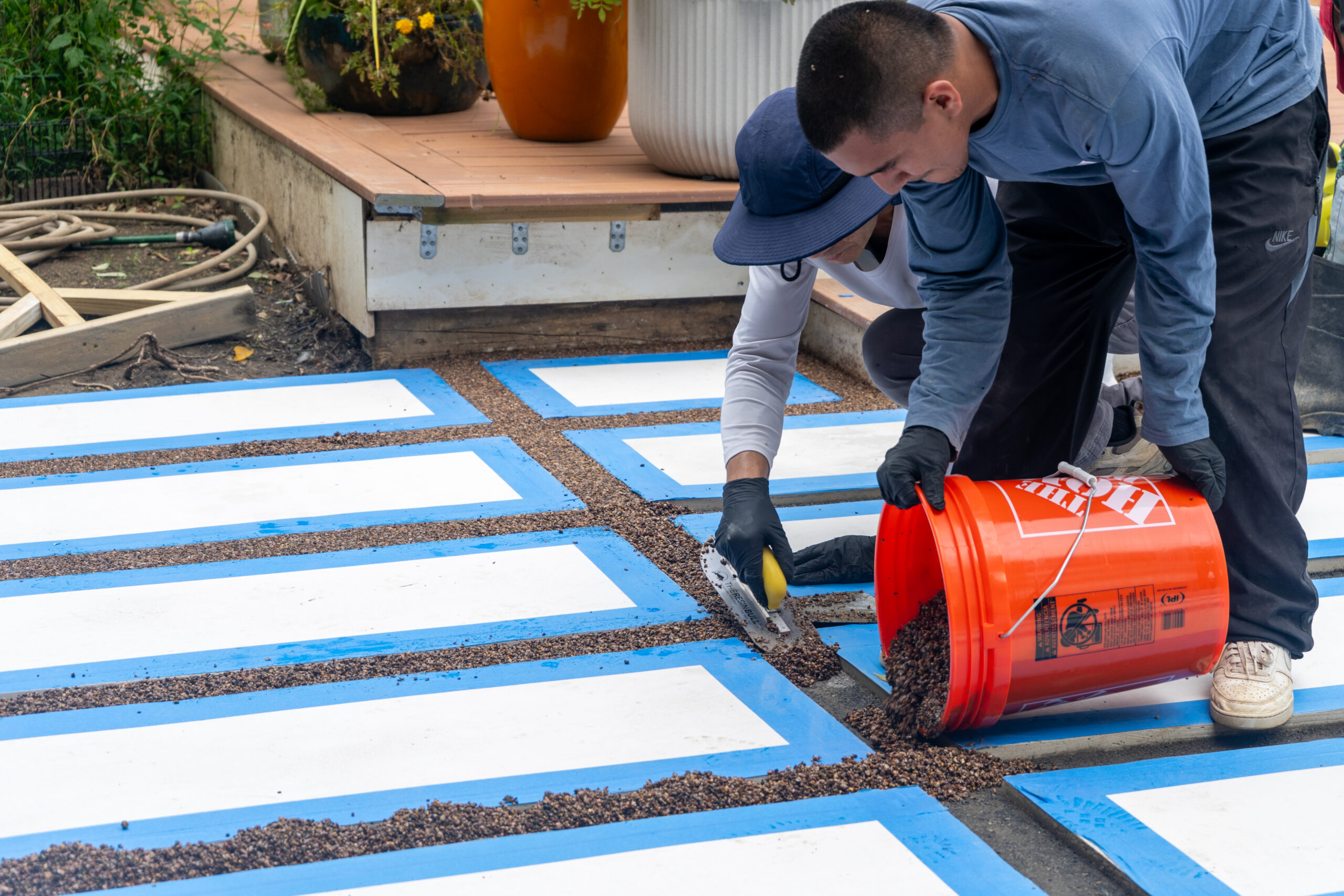
The difference between a floor that lasts 20 years and one that fails in 12 months often comes down to one thing. Your crew’s skills and preparation. Let’s go through what your team really needs to know before you take on these specialized coating jobs.
Key Skills Required for Resin Bound Paving
Think of resin bound paving as a recipe where every ingredient matters. Your crew needs to master surface preparation first.
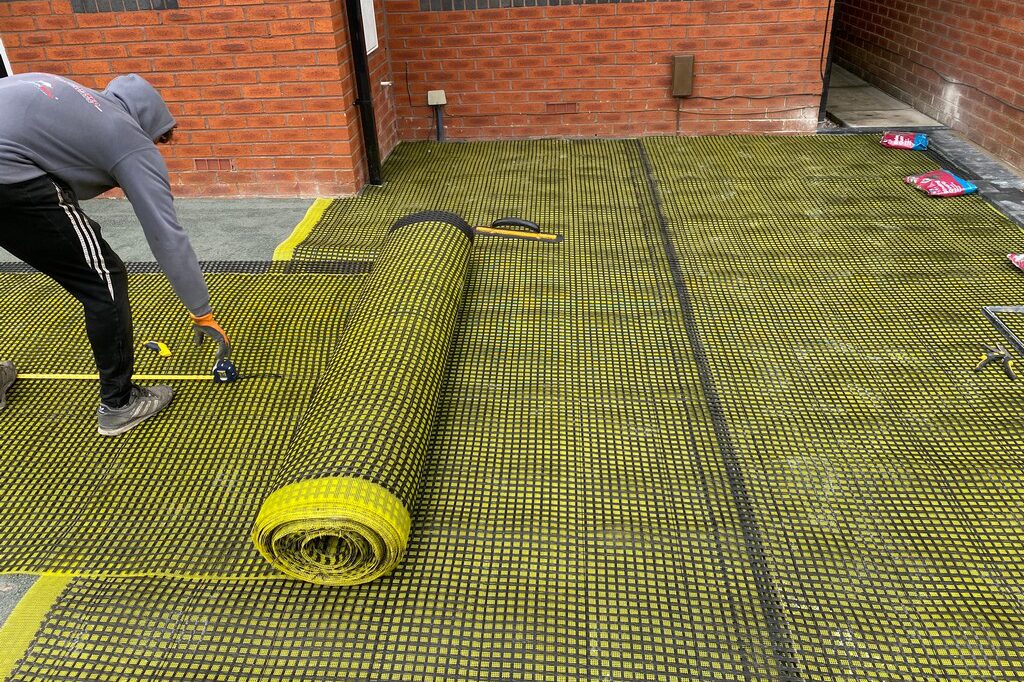
A clean, structurally sound base is crucial. Contaminants like dust, oil, or moisture can cause delamination or bubbling. For concrete substrates, achieve a CSP 1-2 profile using grinders, then apply a primer. Over gravel or asphalt, use a mesh system for reinforcement and to simplify sub-base needs.
Mix UV-stable polyurethane resin with dry, natural aggregates at a correct ration. Get this wrong and you’ll have weak spots or discoloration.
Essential Equipment and Technique
Speed and accuracy are key for successful installations. Here’s what sets pros apart:
- Grinding or shot blasting for proper surface profiling
- Forced action mixer for homogeneous blending
- Trowel in sections to keep a wet edge and seamless finish
- Clean tools with mineral spirits or xylene to prevent contamination
Key Skills Required for Polyaspartic Floor Coatings
Polyaspartic coatings are a different beast. They cure incredibly fast, which is great for your timeline but tough on inexperienced crews.
These coatings can be ready for foot traffic in just 4 to 6 hours and fully cure within 24 hours. Compare that to traditional epoxy, which takes 5 to 7 days. That speed means your team has zero room for error.
The Critical Surface Prep Phase
Floor preparation for polyaspartic coatings is the most important step. Your crew must grind, clean, and repair the concrete before applying anything.
Here’s what goes wrong when you skip steps:
- Poor adhesion leads to peeling and delamination within months
- Moisture trapped in concrete causes bubbling and coating failure
- Dust or oils left on the surface create weak spots that chip easily
Mastering the Application Window
Polyaspartic coatings cure in as little as 20 minutes to an hour, depending on the formula. Your workers must mix and apply the coating quickly but carefully. Temperature matters enormously.
Your crew should understand that incorrect mixing ratios will ruin the job. Mix at the wrong speed, and air bubbles form. Get the ratio wrong, and the coating stays gummy forever and never fully cures.
Evaluating Your Current Crew’s Readiness
You might have a great crew for standard concrete work. But are they ready for resin floors?
Use this checklist to find out:
- Review their experience with concrete preparation, coating application, and resin mixing. Skilled surface prep prevents 90% of coating failures.
- Ask about their knowledge of different coating materials. Do they understand when to use epoxy versus polyaspartic versus resin-bound systems?
- Check if your team uses proper safety gear during floor coating jobs. Gloves, respirators, and eye protection are non-negotiable when working with polyurethane resins.
- Observe teamwork during a test run on a sample slab. Polyaspartic installations require coordination like a two-person dance because of the fast cure times.
- Verify training on equipment like concrete grinders, shot blasters, and moisture testing tools.
- Evaluate reliability by checking past project completion rates. Do jobs finish on time with clean work areas?
- Confirm communication skills. Can crew members explain material choices and job status updates to clients clearly?
- Ask supervisors about project management experience. Organized teams avoid material waste and finish faster.
- Track performance using client feedback from recent coating projects. Real comments reveal weak spots that need improvement.
Training Options to Build the Right Crew
If your crew isn’t ready yet, don’t worry. There are excellent training programs available. Many resin and coating suppliers offer their own training.
Online courses give your team flexibility to learn mixing techniques, proper application methods, and safety procedures at their own pace. But don’t stop there. Hands-on workshops let crews practice under a pro’s guidance, which builds confidence faster than videos alone.
Conclusion
Getting ready to install resin bound or polyaspartic floors? Your crew’s skills will make or break the project.
The right team understands surface preparation, knows how to handle fast-curing coatings, and can spot moisture problems before they cause failures. Take time to train your workers properly.
Quality work comes from careful preparation and skilled hands. With a well-trained installation team, your floors will be durable, beautiful, and built to last for decades. That’s the difference between a job you’re proud of and one that comes back to haunt you.