Become an Installer

Polyaspartic floor coatings have exploded in popularity and for good reason. Contractors love them for their speed and reliability, homeowners appreciate the durability, and businesses value the minimal downtime. Whether you’re thinking about adding polyaspartic systems to your service lineup or simply want to understand why they’re becoming the go-to choice for modern concrete coatings, this guide breaks down the key benefits, real costs, and the training you’ll need to offer them confidently and profitably.
Key Benefits of Installing Polyaspartic Floor Systems
Polyaspartic floor systems offer serious durability for homes and businesses.
The coatings resist scratches, stains, and common chemicals you’d find in garages or warehouses. These floors hold up well against heavy foot traffic and equipment use.
Fast Curing Times Save You Days of Downtime
One of the biggest reasons contractors love polyaspartic coatings is speed. Polyaspartic systems can be tack-free in just 30 to 45 minutes. You can walk on the floor after a couple hours and park your car in as little as 24 hours.
Compare that to traditional epoxy, which can take several days to fully cure. For businesses that can’t afford to shut down for a week, this is a game-changer.
UV Resistance Keeps Your Floor Looking Fresh
Many installers praise polyaspartic coatings for their UV resistance.
Unlike epoxy, which yellows and fades from sunlight, polyaspartic floors maintain their color and gloss over time. This makes them perfect for spaces with windows or outdoor patios.
Superior Adhesion and Chemical Resistance
Polyaspartic systems bond extremely well to concrete surfaces, which limits peeling or flaking later on.
They also resist harsh chemicals. You get excellent adhesion to concrete, limiting the risk of delamination over time.
Wide Temperature Application Range
You can apply polyaspartic coatings in a wide range of temperatures. This flexibility means contractors can work year-round, even in cold climates where epoxy would fail to cure properly.
Customization Options Abound
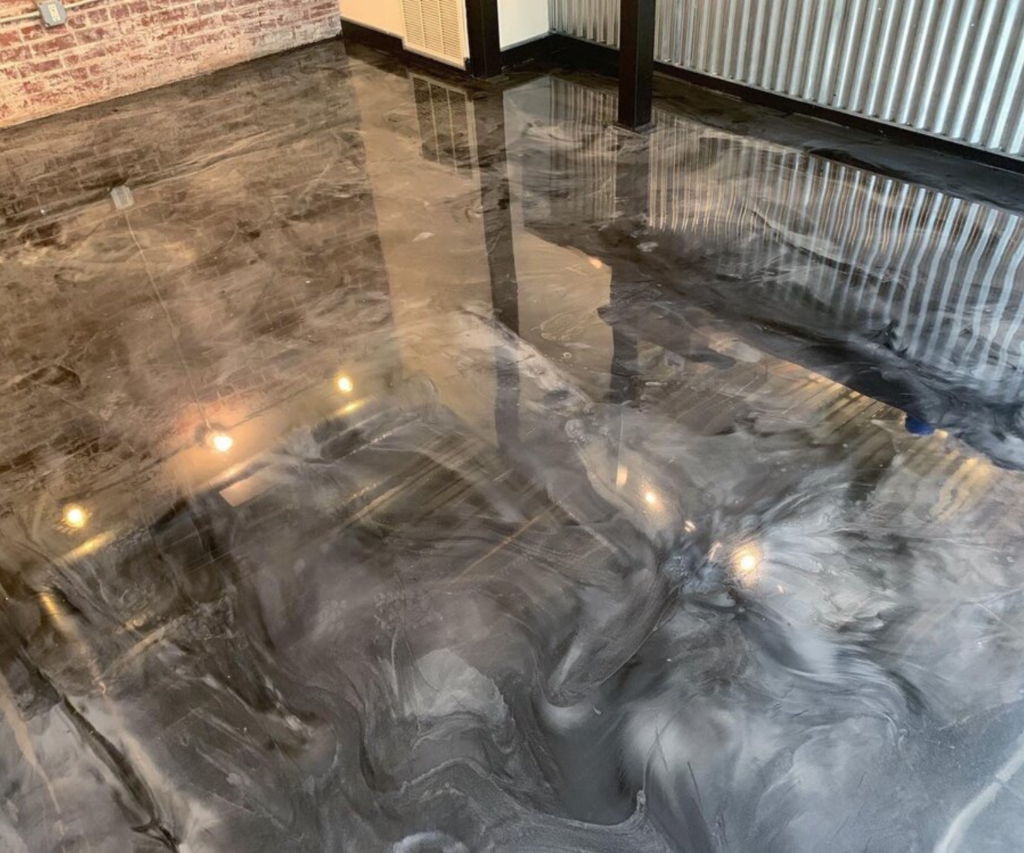
Customers can select different colors, flakes, or textures to suit their space. You can go with a sleek solid color, add decorative vinyl flakes for texture, or even incorporate quartz for added slip resistance.
Costs Involved in Adding Polyaspartic Systems to Your Offering
Expanding your business to include polyaspartic floor coatings requires some upfront investment. The good news is that these costs can lead to significant returns with the right planning and execution.
Equipment Investment
You’ll need specialized equipment to install these systems professionally. Expect to invest $4,000 to $15,000 in grinders, mixers, squeegees, rollers, vacuums, and safety gear. Many suppliers offer starter kits that bundle the essentials.
Training Expenses
Training is essential for proper application. Most manufacturers require contractors to complete training before they can purchase products. Training costs typically range from $500 to $2,500 per person. Some companies, like Optus Resin, will offer free training on the job-sites of new installers.
Marketing and Promotion
To attract customers, you’ll probably need to invest in marketing.
Budget $1,000 to $5,000 for website updates, social media ads, printed materials, and local event sponsorships. You’re not just selling a product, you’re selling a solution that saves time and looks amazing.
Cost Comparison Table
| Cost Category | Estimated Range | Details |
| Material Costs | $2.50 – $6.50 per sq. ft. | Depends on brand, thickness, and project size. Premium polyaspartic materials may cost more. |
| Equipment Investment | $4,000 – $15,000 | Includes grinders, mixers, squeegees, rollers, vacuums, and safety gear. Many suppliers offer starter kits. |
| Training Expenses | $500 – $2,500 per person | Hands-on certification courses or factory seminars. Some suppliers may provide free training for new installers. |
| Marketing & Promotion | $1,000 – $5,000 | Includes website updates, social media ads, printed materials, and local event sponsorships. |
| Insurance and Licensing | $500 – $2,000 per year | Liability coverage updates, business license fees, and bonding as required by state law. |
| Ongoing Supply Restock | $300 – $1,000 per project | Regular purchases of flakes, colorants, and safety consumables for each new job. |
Training Options for Polyaspartic Installation
Proper training is essential if you want to work with polyaspartic floor systems.
Good training builds your skill in coatings, adhesives, and installation techniques. The fast cure time means you need to move quickly and confidently, which only comes from hands-on experience.
Manufacturer-Led Training Programs
Many manufacturers offer hands-on workshops. These should go over all aspects of the business, including product selection, surface preparation, and sales techniques. They also offer ongoing support through technical hotlines. This ensures installers understand the unique properties of fast-curing coatings.
Online Courses and Video Tutorials
Online courses teach surface preparation, adhesion, UV resistance, and maintenance methods through videos and quizzes. These courses are convenient if you’re starting out and want to learn at your own pace.
In-Person Seminars and Live Demonstrations
Industry trade shows often have live demonstrations. These events highlight fast-curing flooring materials and surface treatment tips for better results. You can see professional installers in action and ask questions in real time.
Onsite Mentorship and Shadowing
Onsite mentorship allows new installers to shadow experienced floor coating teams.
You get to handle real projects, troubleshoot problems, and learn the tricks that aren’t in the manual. Many users on forums like Reddit note that pre-heating equipment for at least 10 minutes is a common unofficial step that prevents inconsistent results.
Conclusion
Polyaspartic floor systems offer great durability and fast curing, making them a smart choice for many flooring needs.
These coatings stand up to chemicals, resist UV light, and allow easy customization on concrete. Costs can vary, but the value in surface protection is high.
Good training helps with installation and boosts your success with floor coatings. This option gives you strong floors that last longer and look great.